Conditions

Osteoarthritis (and MSK) Pain

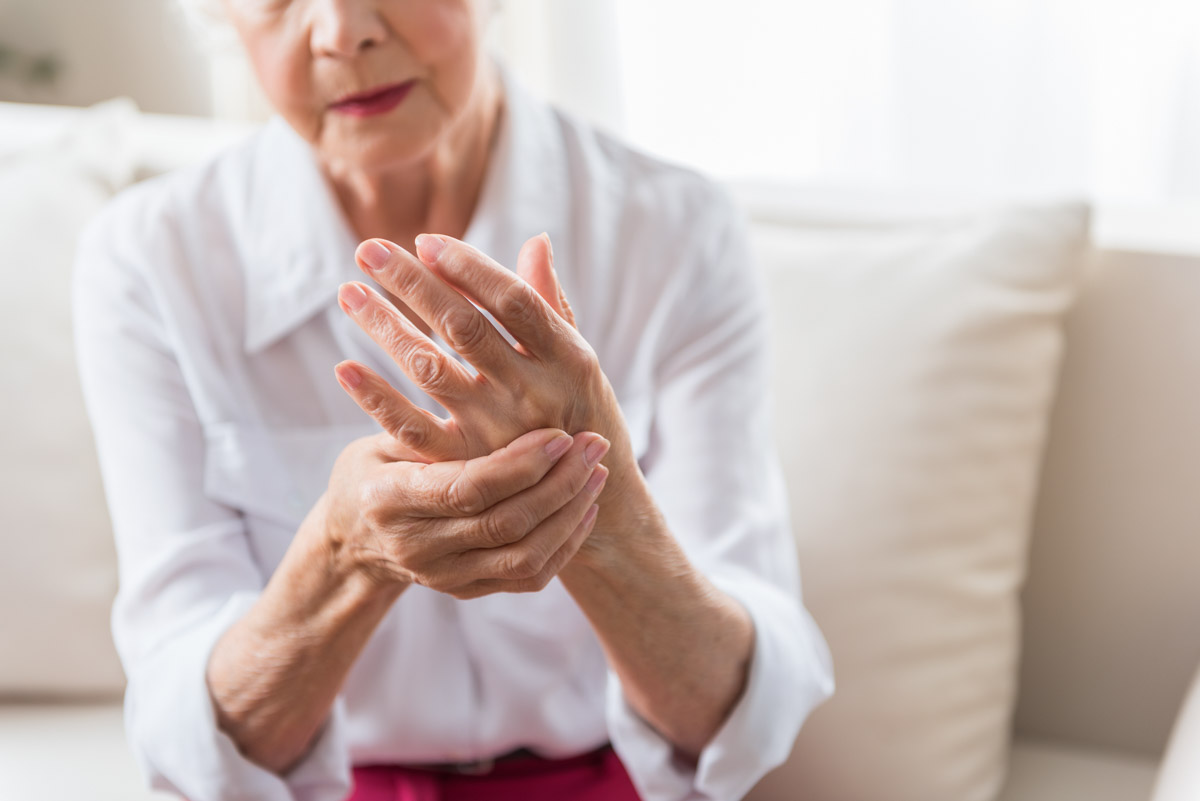
Osteoarthritis is a degenerative joint condition of “wear-and-tear”.  It is often age-related and can also occur following a traumatic injury.  Common joints affected include the neck or cervical spine, the low back or lumbar spine, the shoulders, hands and knees.  Strengthening exercises, medications, and injections can be helpful to relieve the pain. 

Condition Causes

  1. Age: Osteoarthritis is commonly associated with aging. As individuals get older, the cartilage in their joints naturally wears down, leading to pain and discomfort.
  2. Joint Overuse or Injury: Repetitive stress or previous joint injuries can contribute to the development of osteoarthritis. Activities that involve excessive joint use, such as repetitive motions or heavy lifting, can accelerate cartilage breakdown.
  3. Obesity: Excess weight places increased stress on the joints, particularly weight-bearing joints such as the knees and hips. This additional strain can accelerate cartilage degeneration and lead to osteoarthritis pain.
  4. Genetic Factors: Certain genetic factors can predispose individuals to osteoarthritis. Inherited abnormalities in joint structures or metabolic disorders can contribute to the development of the condition.
  5. Joint Alignment Issues: Poor joint alignment, such as bowlegs or knock-knees, can lead to uneven stress distribution within the joints. Over time, this can contribute to cartilage deterioration and osteoarthritis pain.

Condition Treatments

  1. Medications: Over-the-counter pain relievers such as acetaminophen or nonsteroidal anti-inflammatory drugs (NSAIDs) can help alleviate osteoarthritis pain. Prescription medications, including stronger NSAIDs, corticosteroids, or hyaluronic acid injections, may be recommended for more severe pain.
  2. Physical Therapy: Physical therapy plays a crucial role in managing osteoarthritis pain. A physical therapist can design a personalized exercise program to improve joint strength, flexibility, and range of motion. They may also incorporate techniques such as heat or cold therapy, ultrasound, or transcutaneous electrical nerve stimulation (TENS).
  3. Assistive Devices: Using assistive devices, such as braces, splints, or orthotic inserts, can help support joints and alleviate pressure. Canes or walkers may also be recommended to reduce stress on weight-bearing joints.
  4. Lifestyle Modifications: Lifestyle changes can help manage osteoarthritis pain and slow down its progression. These may include weight loss to reduce joint strain, adopting a low-impact exercise routine (such as swimming or cycling), maintaining good posture, and using proper body mechanics during daily activities.
  5. Joint Injections: In cases of severe pain, joint injections may be recommended. Corticosteroid injections can provide temporary relief by reducing inflammation in the affected joint. Hyaluronic acid injections can help lubricate and cushion the joint, reducing pain and improving mobility.
  6. Complementary Therapies: Complementary therapies such as acupuncture, massage therapy, or chiropractic care may offer additional pain relief for some individuals. These therapies focus on reducing pain, improving joint function, and promoting relaxation.
  7. Surgical Intervention: In advanced cases of osteoarthritis, when conservative treatments are no longer effective, surgical options may be considered. Joint replacement surgery, such as total hip or knee replacement, can alleviate pain and restore joint function.

We treat Osteoarthritis (and MSK) Pain - get stared with a referral

Conclusion

Osteoarthritis pain can significantly impact an individual’s daily life and mobility. However, with the right understanding and treatment, it is possible to manage symptoms and improve overall musculoskeletal health. Identifying the underlying causes of osteoarthritis pain and exploring the available treatment options is crucial. It is important to consult with a healthcare professional for an accurate diagnosis and personalized treatment plan.

Through a combination of medications, physical therapy, lifestyle modifications, and, if necessary, surgical intervention, individuals can find relief from osteoarthritis pain and regain their quality of life.

Share:

Instant Self-Referral

Releva Trestments for Osteoarthritis (and MSK) Pain

Medications management
Nerve Blocks

Related Articles

Factors That Affect Pain

The nervous system is more sensitive in some people and less sensitive in others. Chronic pain may be more common after […]

Read More
Pain Explained

Pain does not happen just because the brain receives “danger” signals.  Danger signals are one of many signals from the […]

Read More
About Pain

Pain is normal and an important part of the body’s warning system. Pain is an unpleasant physical and emotional feeling […]

Read More