Conditions

Low Back Pain

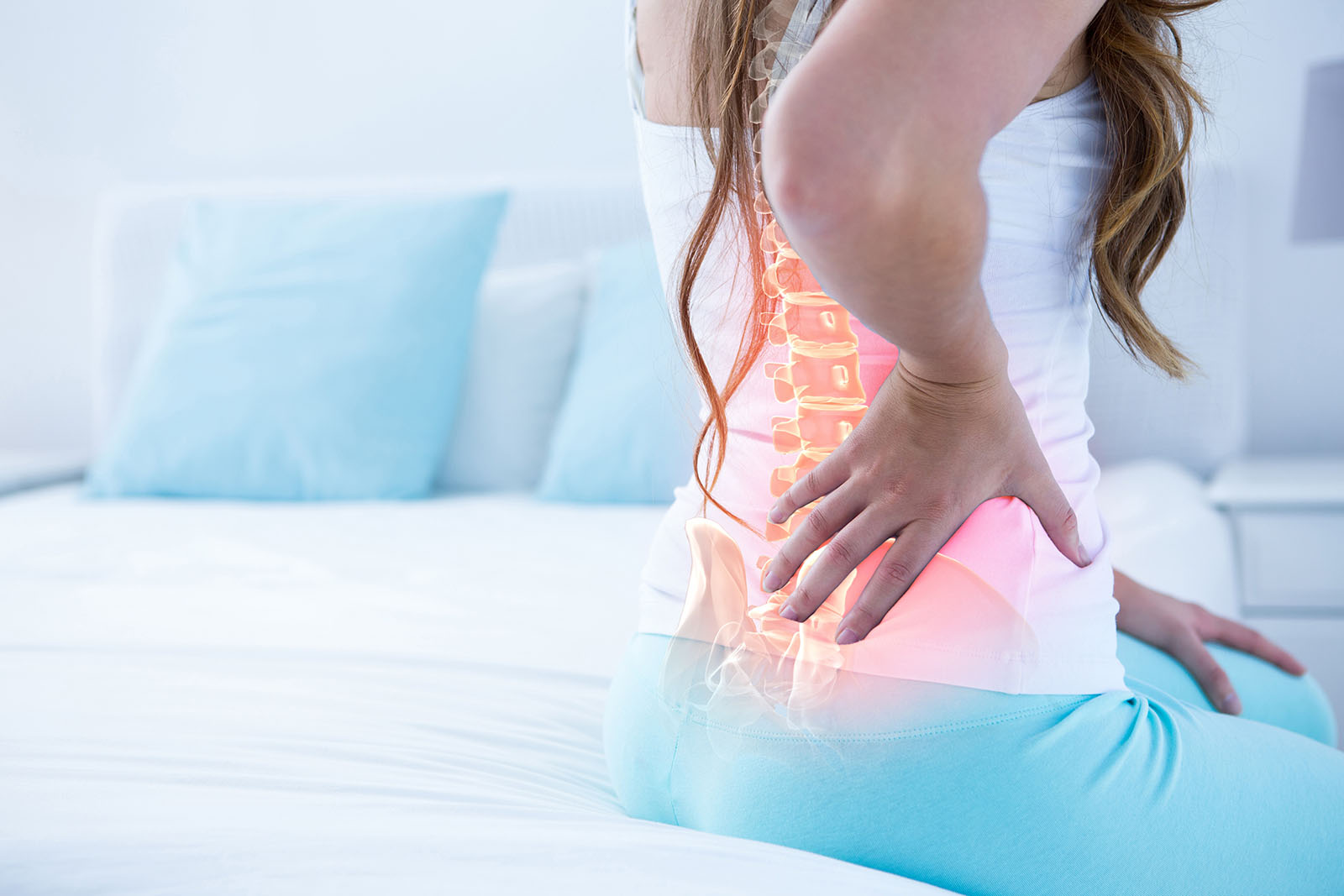
The overwhelming majority of us will experience low back pain one time or another, and if it lasts more than 3 months it is considered chronic.  Chronic low back pain often presents as pain in the low back, hips, buttocks and/or legs.  The most common causes include arthritis or “wear-and-tear” of the spine, spinal stenosis or narrowing of the spinal canal, disc issues such as a bulging or herniated disc, and myofascial pain syndrome, a condition characterized by muscle pain due to tight bands of irritable muscle.

Nonsurgical treatments include physical rehabilitation, meditation and mindfulness, lifestyle modifications, medications and injections.

Condition Causes

  1. Muscle Strain: One of the leading causes of lower back pain is muscle strain or sprain. This can occur due to sudden movements, improper lifting techniques, or prolonged poor posture. Straining the muscles and ligaments that support the spine can result in localized pain and stiffness.
  2. Herniated Disc: Another common cause of lower back pain is a herniated or slipped disc. The spinal discs act as cushions between the vertebrae, and when one of these discs ruptures or bulges, it can put pressure on the surrounding nerves, leading to pain, numbness, and tingling sensations.
  3. Spinal Stenosis: Spinal stenosis refers to the narrowing of the spinal canal, which houses the spinal cord and nerves. This narrowing can occur as a result of age-related degenerative changes in the spine, such as the formation of bone spurs or thickened ligaments. Spinal stenosis can cause compression of the nerves, resulting in lower back pain and radiating discomfort in the legs.
  4. Arthritis: Osteoarthritis and rheumatoid arthritis can affect the joints and bones in the lower back, leading to chronic pain and stiffness. The breakdown of cartilage in the joints and the body’s inflammatory response can contribute to the development of lower back pain in individuals with arthritis.
  5. Structural Abnormalities: Structural abnormalities, such as scoliosis (an abnormal sideways curvature of the spine) or spondylolisthesis (a condition where one vertebra slips forward onto the vertebra below it), can cause lower back pain. These conditions may be present from birth or develop over time, leading to spinal misalignments and subsequent pain.
  6. Other Factors: Several other factors can contribute to lower back pain. Obesity, sedentary lifestyle, poor posture, stress, and certain medical conditions like kidney stones or infections can all play a role in the development or exacerbation of lower back pain.

Condition Treatments

  1. Medications: Over-the-counter nonsteroidal anti-inflammatory drugs (NSAIDs), such as ibuprofen or naproxen, can help reduce pain and inflammation associated with lower back pain. In more severe cases, prescription medications, including muscle relaxants or opioid pain relievers, may be prescribed under the guidance of a healthcare professional.
  2. Physical Therapy: Physical therapy is a fundamental component of managing lower back pain. It involves exercises and stretches that strengthen the muscles, improve flexibility, and promote proper posture. Physical therapists may also employ techniques such as heat or cold therapy, ultrasound, or electrical stimulation to provide pain relief and aid in the healing process.
  3. Lifestyle Modifications: Making certain lifestyle changes can significantly contribute to the alleviation of lower back pain. Maintaining a healthy weight, engaging in regular exercise that focuses on core strength and flexibility, practicing good posture, and using ergonomic furniture and tools that provide adequate back support can all help reduce pain and prevent future episodes.
  4. Injections: In some cases, healthcare professionals may administer corticosteroid injections directly into the affected area to reduce inflammation and relieve pain. These injections are typically performed under guided imaging techniques to ensure precise delivery of medication to the targeted area.
  5. Surgical Intervention: Surgery is generally considered when conservative treatments fail to provide relief or in cases of severe structural issues. Procedures such as discectomy (removal of a portion of a herniated disc), laminectomy (removal of the back part of the vertebra to relieve pressure), or spinal fusion (joining two or more vertebrae together) may be performed to alleviate pressure on the nerves or stabilize the spine.
  6. Complementary Therapies: Complementary therapies such as acupuncture, chiropractic care, or massage therapy may provide temporary relief from lower back pain for some individuals. These alternative treatments focus on manipulating the body’s energy or musculoskeletal system to promote pain reduction and relaxation. However, it’s essential to consult with a qualified practitioner before pursuing these options.

We treat Low Back Pain - get stared with a referral

Conclusion

Lower back pain is a widespread condition that can significantly impair an individual’s daily life and overall well-being. By understanding the causes and available treatment options, individuals can take proactive steps towards managing and alleviating their lower back pain. From conservative approaches such as medication, physical therapy, and lifestyle modifications to more invasive interventions like injections or surgery, a range of treatments exists to address various causes and severity levels of lower back pain. It is important for individuals experiencing persistent or severe pain to consult with a healthcare professional for an accurate diagnosis and appropriate treatment plan. With the right approach and comprehensive care, many individuals can find relief and regain their mobility, enabling them to lead fulfilling and pain-free lives.

Share:

Instant Self-Referral

Releva Trestments for Low Back Pain

Medications management
Nerve Blocks

Related Articles

Factors That Affect Pain

The nervous system is more sensitive in some people and less sensitive in others. Chronic pain may be more common after […]

Read More
Pain Explained

Pain does not happen just because the brain receives “danger” signals.  Danger signals are one of many signals from the […]

Read More
About Pain

Pain is normal and an important part of the body’s warning system. Pain is an unpleasant physical and emotional feeling […]

Read More